

Monument to the victims of the MH17 Tragedy

The crash of flight MH17 on July 17, 2014, left a deep wound in the Netherlands. None of the 298 passengers survived the tragedy. The plane crashed into a field of sunflowers in eastern Ukraine. That image—a horrific tragedy amid a sea of yellow flowers—affected many people deeply. Among the victims were fifteen residents of Hilversum — people with families, dreams, and plans for the future. Their lives were cut short, and their absence is still deeply felt. This monument honors their memory.
Soon after the disaster, a strong desire arose for a national memorial site. That wish eventually took shape in the national monument in Vijfhuizen. At the same time, the community of Hilversum felt a need for its own place of remembrance — close to home, at the heart of the community where the victims had lived and were loved. A place to pause, reflect, and remember those no longer with us. Then-mayor Pieter Broertjes and pastor Jules Dresmé, both closely connected to the bereaved families, took the initiative. Alongside the municipality of Hilversum, many residents and others contributed tot he creation of the monument.
They found in artist Sven Lamme the right person to give form to this delicate and emotionally charged project. In close consultation with the families, the sunflower emerged as the central symbol — a powerful image of light, hope, and remembrance, now inextricably linked to MH17. Sven designed fifteen bronze sunflowers, each one a tribute to one of the Hilversum victims.
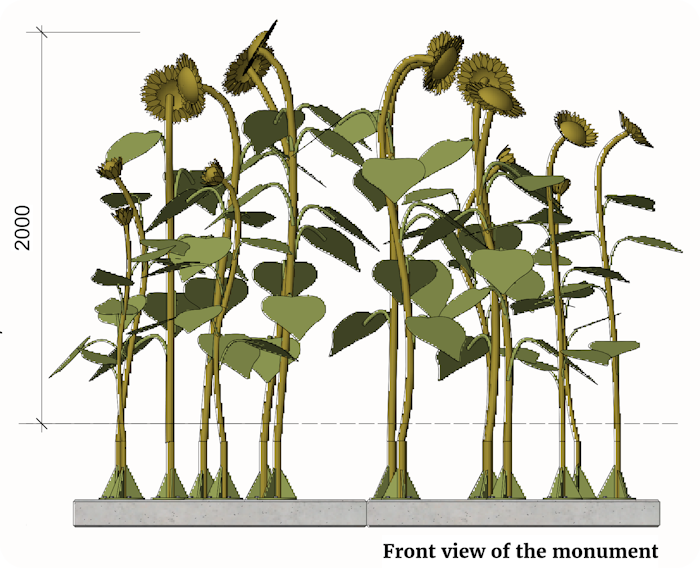
The monument was brought to life with great care and love by blacksmith Rein Tupker and his son Pascal. They translated the design into a tangible artwork that expresses both the fragility of loss and the strength of remembrance. The final result resonated deeply — not only with the families, but with the entire city that shared in their grief.
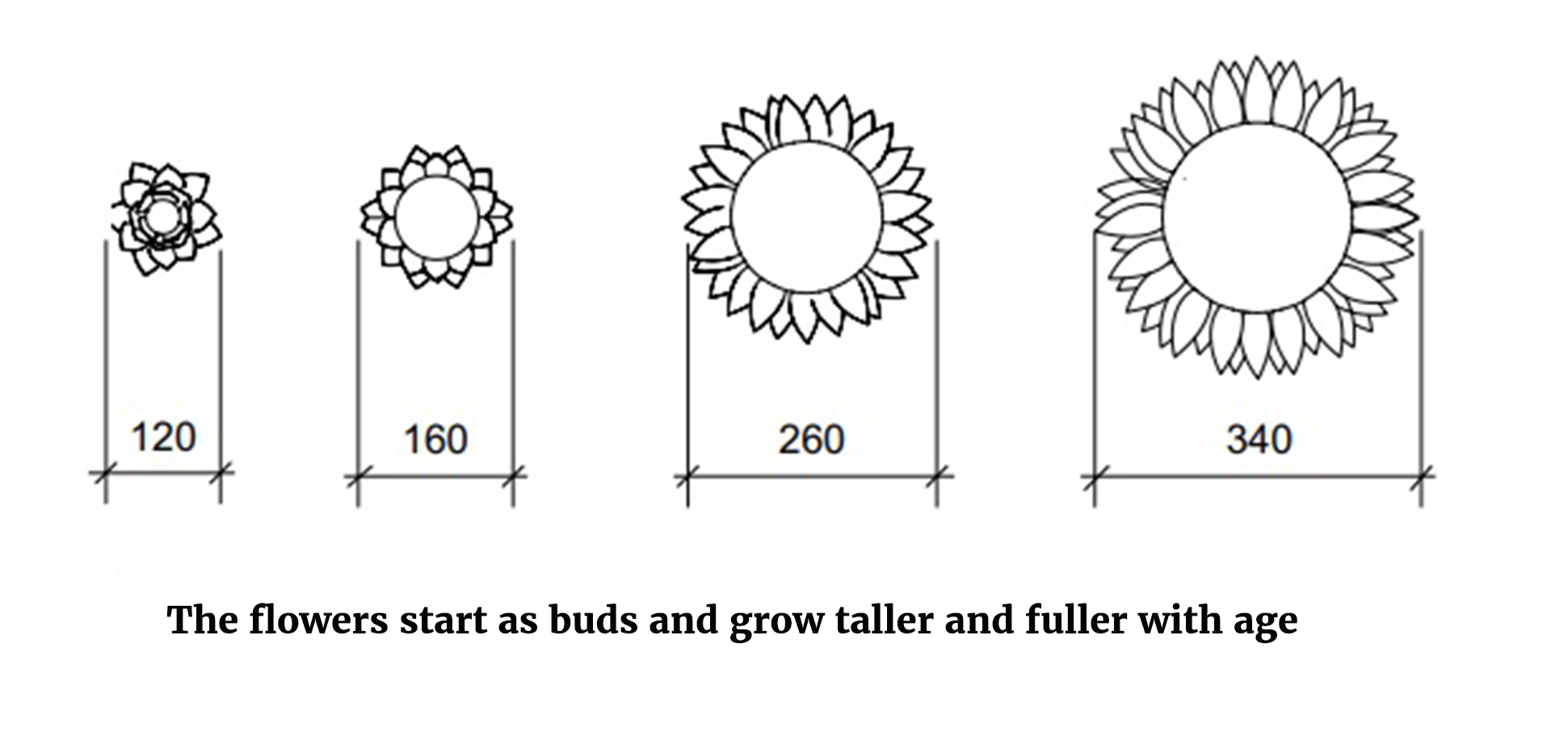
The age of each victim is reflected in the height and form of the flowers: a bud represents a child, a flower in full bloom symbolizes an adult.
The flower heads face one another, grouped to represent families. A few stand alone, yet are positioned in such a way that they remain part of the whole.
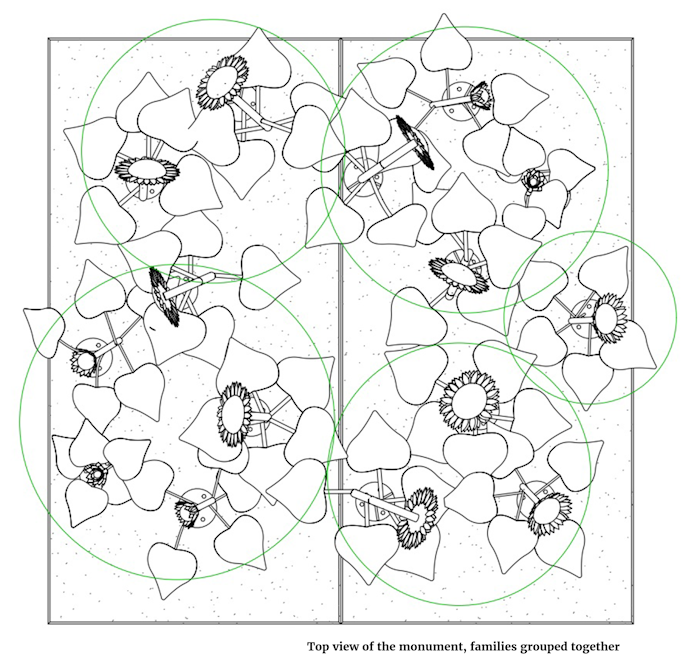
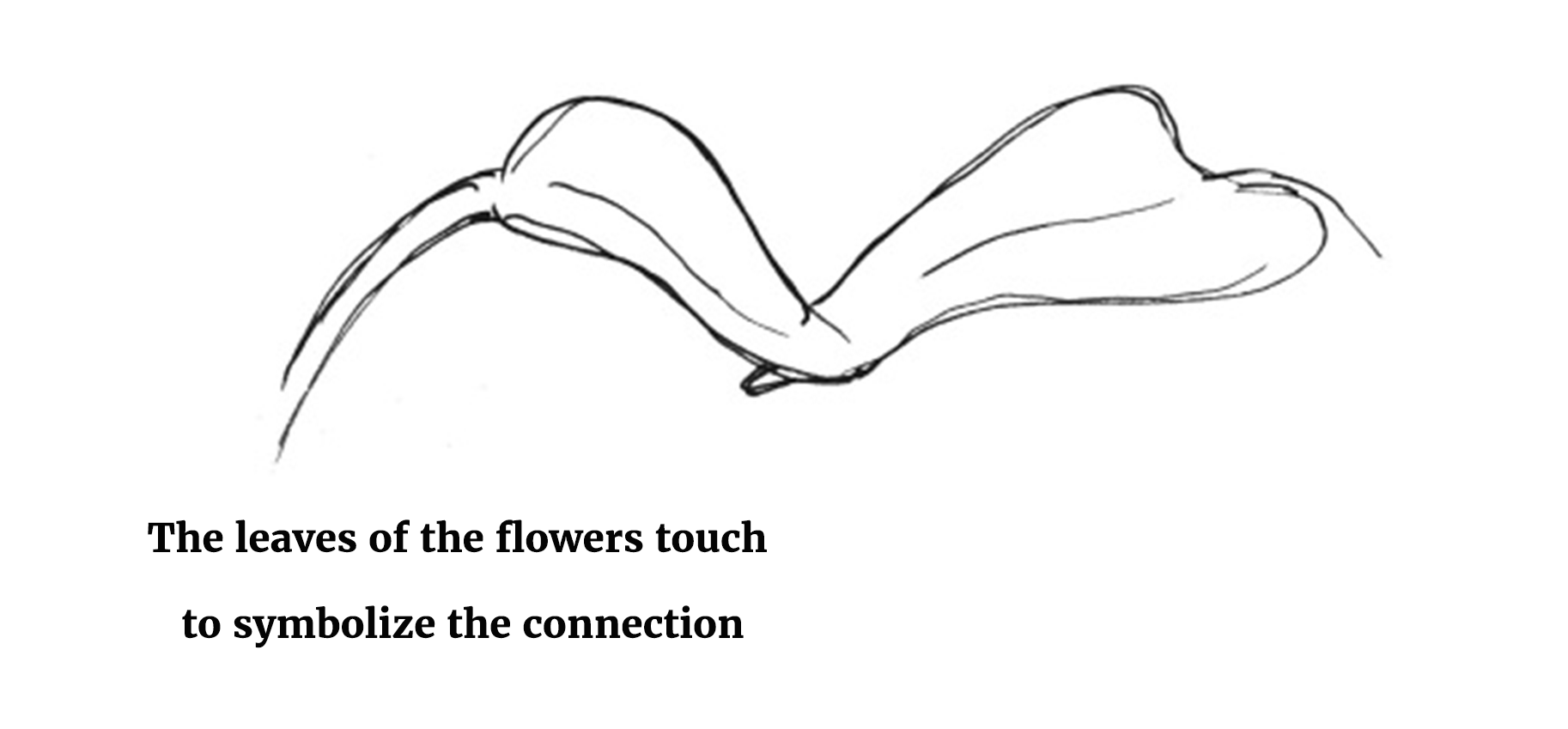
The welded bronze leaves connect them — bound together, forever.
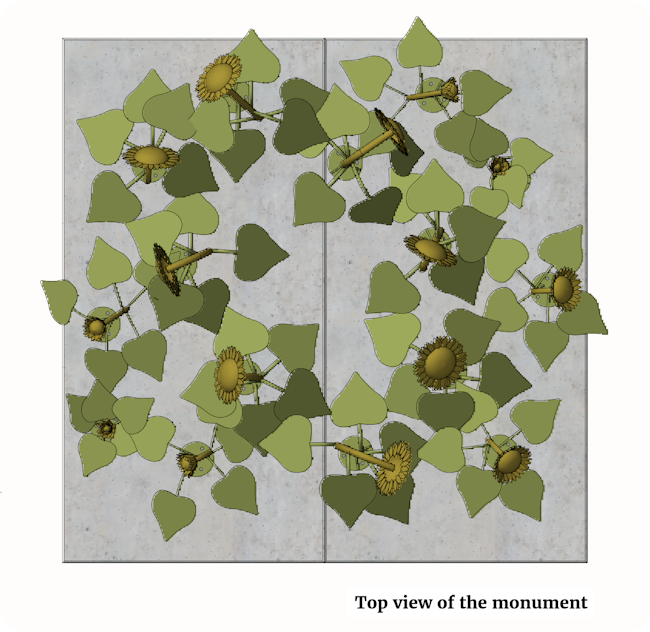
The sunflowers are placed in a circle, in a spot always touched by sunlight, allowing people to gather around them during ceremonies or quiet moments.
To make the monument even more personal, a granite memorial bench was added, engraved with the names of the fifteen victims. Those who sit on the bench look out over the sunflowers — a quiet invitation to remember, reflect, or perhaps even speak to those no longer here.
On July 17, 2016 — exactly two years after the tragedy — the monument was unveiled. It was a moment of unity and recognition. Since then, it has become a place of peace, of love, of silence — where grief has a place, and memories continue to live on.
Fifteen flowers for fifteen loved ones:
John, Sandra, Cristopher, Julian, Ian, Erik, Tina, Zeger, Gerardus, Mary, Quinn, Charles, Thérèse, Carlijn, and Werther. They are still missed every single day.
What remains is love — and a place in Hilversum where their memory lives on.